

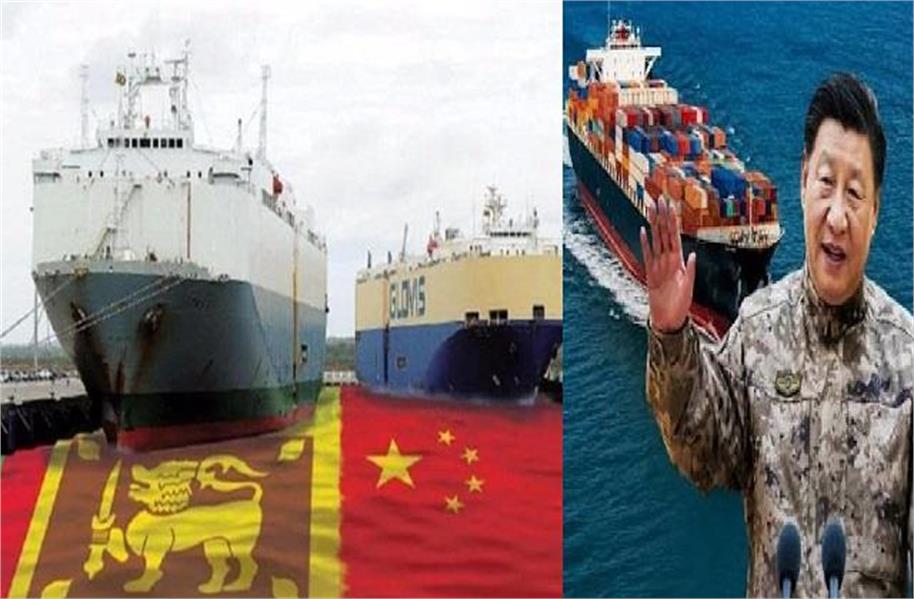
The Chinese company managing Sri Lanka’s Hambantota Port has come under legal scrutiny over allegations that it has failed to pay more than LKR 125.9 million in municipal assessment tax. The dispute has reached the courts, reviving debate over China’s investments, lending practices and long-term involvement in one of Sri Lanka’s most strategic infrastructure projects.
International Desk: China’s role in Sri Lanka’s economic affairs remains under the spotlight as a Chinese company operating Hambantota Port faces allegations of significant unpaid municipal taxes. The case has added a fresh dimension to the long-running discussion surrounding Beijing’s investments in the island nation and the controversial transfer of the port under a long-term lease.
Hambantota International Port Group (HIPG), which operates the port, has been accused of owing more than LKR 125.9 million in municipal assessment tax. The allegations are based on official documents obtained through Sri Lanka’s Right to Information (RTI) Act.
According to reports, the Hambantota Municipal Council issued a red notice demanding payment of the outstanding tax, warning that failure to settle the dues could result in the seizure of property under Sri Lankan law. HIPG subsequently challenged the council’s action before the courts. An interim court order has temporarily halted any enforcement action while legal proceedings continue. In response, the Municipal Council has appointed a private law firm to represent its interests in the case.
Hambantota Port has been the subject of international attention for several years. Following Sri Lanka’s difficulties in repaying Chinese loans, the port’s operations were transferred to a Chinese company under a long-term lease agreement. The arrangement has since been widely referenced in debates over China’s overseas infrastructure investments and allegations of so-called “debt diplomacy”.
The latest tax dispute has once again raised questions in Sri Lanka about the accountability of foreign investors, compliance with local tax obligations and the governance of major public infrastructure projects. As of now, the Chinese company has not issued a detailed public response to the allegations concerning the outstanding tax claim.