

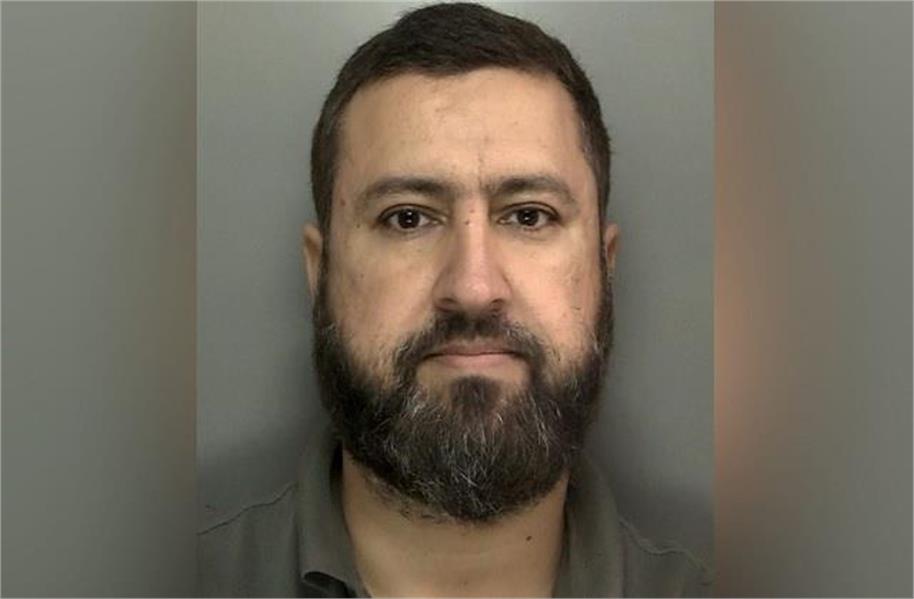
London: A Pakistani-origin man who ran a lucrative academic cheating racket across British universities has been sentenced to three years in prison after helping more than 100 students fraudulently obtain qualifications.
Forty-two-year-old Shahid Adnan, based in Liverpool, was convicted of unauthorised access to computer systems, fraud by false representation, and concealing criminal proceeds. Investigators revealed that Adnan systematically infiltrated students’ online accounts, completed assignments on their behalf, submitted coursework, and even sat online examinations for them.
Authorities said the operation enabled scores of students to gain academic credentials without earning them, while Adnan pocketed substantial sums in the process.
Fraud Exposed Through Digital Trail
The scam unravelled when a student at Liverpool John Moores University submitted a USB drive for assessment. A forensic examination uncovered a vast cache of sensitive information, including student login credentials, coursework records, and financial data.
The discovery triggered a police investigation that found numerous assignments had been submitted from the same IP address. Detectives traced the activity to Adnan’s residence, where evidence allegedly linked him to a widespread contract-cheating network.
According to investigators, Adnan operated through a company called Study Sharp Ltd, which collected payments from students seeking academic assistance. Financial records showed regular transactions from students across multiple universities, with one student reportedly paying nearly £14,000.
Threat to Professional Standards
Police warned that academic fraud of this scale poses a serious threat to public trust and safety, as unqualified individuals could secure degrees and enter professions requiring genuine expertise.
Following the conviction, authorities have launched proceedings to confiscate Adnan’s assets and recover illegal earnings under Britain’s Proceeds of Crime Act.
University officials said the case highlighted the effectiveness of vigilance and robust security measures in protecting academic integrity. They reiterated that institutions would continue strengthening safeguards against examination and coursework fraud.