
By Prof.J.Ranganathan
Myanmar, officially the Republic of the Union of Myanmar, is India’s eastern neighbour and a strategically important country located at the crossroads of South and Southeast Asia. The two countries share deep historical, cultural, and religious ties, particularly through Buddhism, which has fostered longstanding people-to-people connections. Myanmar also occupies an important place in India’s Neighbourhood First and Act East policies, making bilateral cooperation in trade, connectivity, security, and development a key component of their relationship.
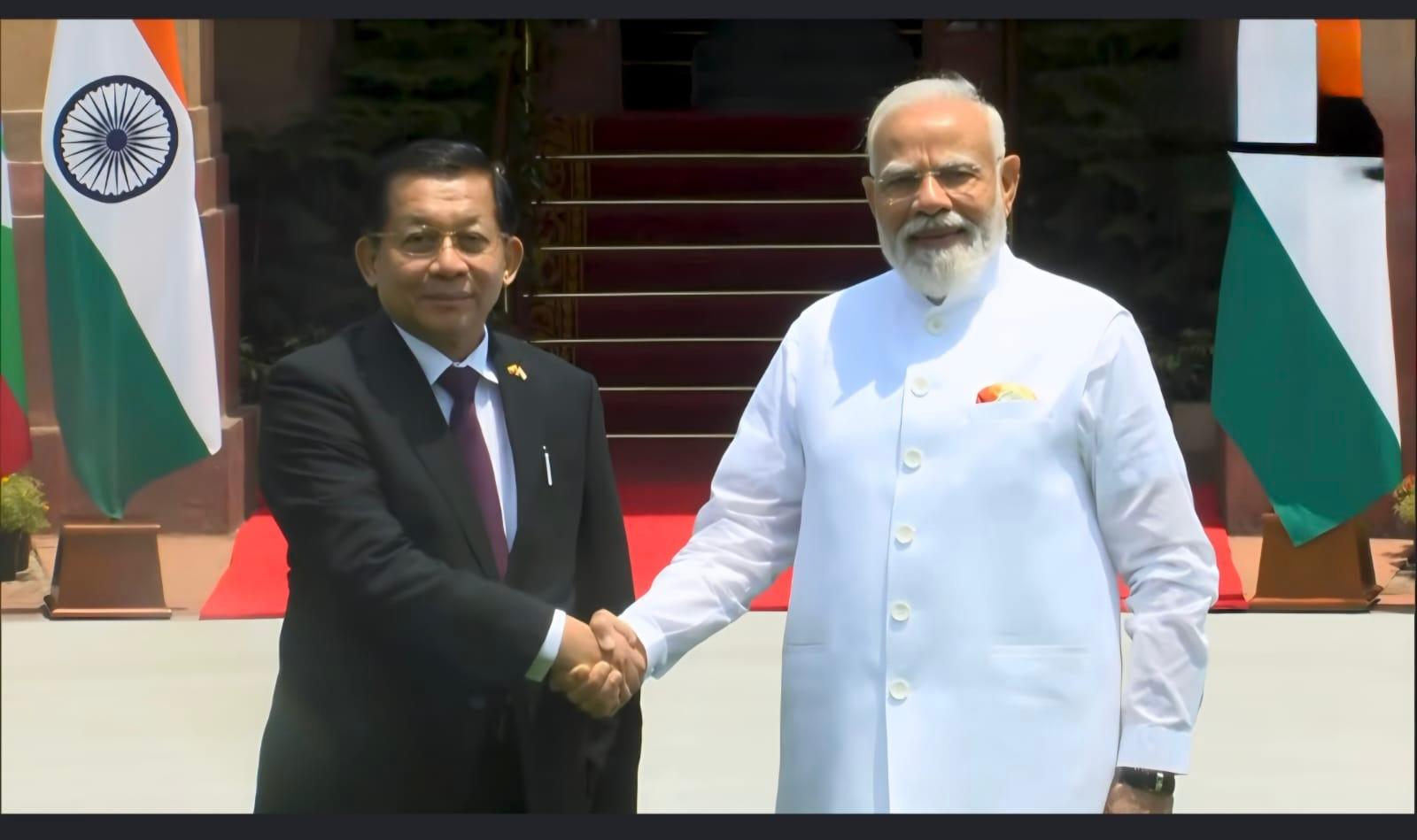
Myanmar President U Min Aung Hlaing’s first-ever official visit to India from May 30 to June 3, 2026 was a watershed moment in India-Myanmar bilateral relations. The visit revealed a broader shift in the relationship, as greater emphasis is placed upon economic cooperation and strengthening people-to-people ties. Myanmar functions as a gateway to Southeast Asia, thereby making it important to India’s Neighbourhood First and Act East Policy. For Naypyidaw, closer engagement with India opens new avenues for trade, investment, connectivity and development cooperation. The visit also indicated a shared recognition of the importance of practical cooperation.
During the visit, Prime Minister Narendra Modi held discussions with the Myanmar President on strengthening bilateral cooperation in connectivity, trade, capacity building, and regional stability. Myanmar’s Ambassador to India, HE Mr Zaw Oo, and Union Minister for Foreign Affairs Mr. U Tin Maung Swe also participated in several diplomatic engagements during the visit, underscoring the importance attached by both governments to advancing bilateral ties.
The unique geographic and strategic position of Myanmar at the crossroads of South and Southeast Asia, makes it strategically significant for India. It is the only ASEAN country to share a direct land border of over 1,600 kilometres with India. Myanmar also serves as a vital gateway to regional markets and transport networks for India’s Northeastern States. New Delhi’s goal to integrate Northeast India to Southeast Asia is reflected through the connectivity projects such as Kaladan Multi-Modal Transit Transport Project and India-Myanmar-Thailand Trilateral Highway. Beyond bilateral ties, Myanmar is also important for broader regional connectivity and economic integration.
The President’s interaction with business leaders in the India-Myanmar trade and Investment Conclave and other business dialogues reveals the emphasis placed on economic cooperation during this visit. The meetings sought to strengthen efforts to strengthen commercial linkages and encourage private sector collaboration. Investment opportunities in sectors such as agriculture, energy, pharmaceuticals and logistics were discussed by the visiting delegation. The Rupee-Kyat settlement mechanism, which has facilitated trade since 2024 was agreed to be enhanced by both countries. Focus was placed on business partnerships during the visit, making economic cooperation a potential foundation for the relationship ahead. Economic cooperation has emerged as the visible and practical pathway in India-Myanmar relations.
Both countries reaffirmed their support to key infrastructure projects during the visit, as connectivity is an important dimension of the relationship. Kaladan Multi-Modal Transit Transport Project and India-Myanmar-Thailand Trilateral Highway are expected to elevate trade, expand market access and strengthen people-to-people ties. The visit also highlighted the ancient cultural and educational foundation of India-Myanmar relations. The President’s visit to Bodh Gaya and other important Buddhist sites, signifying deep civilisational and spiritual ties between the countries. Buddhism remains an important link connecting the peoples and cultures of both countries. India announced an increase in ICCR scholarships for Myanmar students, boosting educational engagement. Such cultural and educational initiatives complement the broader economic partnership, generating goodwill.
The President’s visit to Mumbai was also centred around strengthening economic ties. The President was welcomed with a Banquet dinner hosted by the Governor of Maharashtra, Chief Minister, Dy Chief Minister of Maharashtra and many other key personalities. He participated in the Myanmar-India Business Dialogue 2026 at the Taj Mahal Palace and addressed a gathering of Indian industrialists and entrepreneurs to explore investment opportunities in Myanmar.
Succinctly, the President’s visit was a defining moment in the history of India-Myanmar relationship. The visit centred on enhancing efforts towards connectivity, commerce and regional development. Sustained implementation of projects and initiatives was discussed as both countries seek closer economic and people-to-people ties. India-Myanmar relations possess significant potential to strengthen bilateral relations in the years ahead.
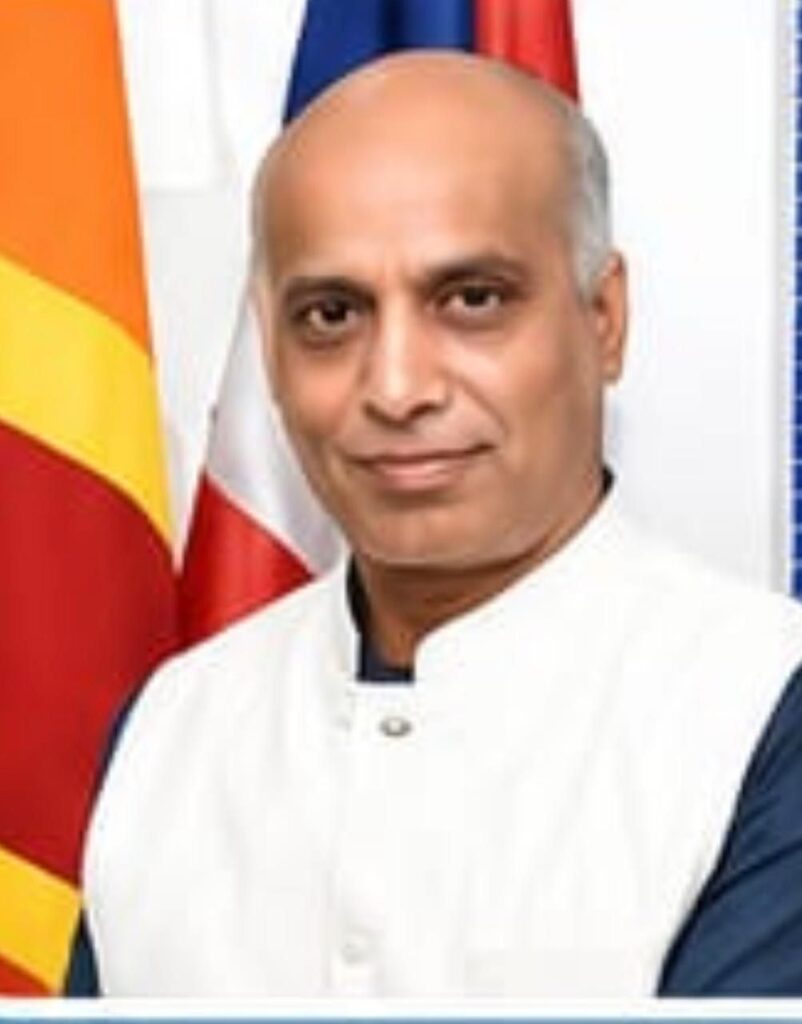
Honorary Consul of the Republic of Union of Myanmar, Chennai