

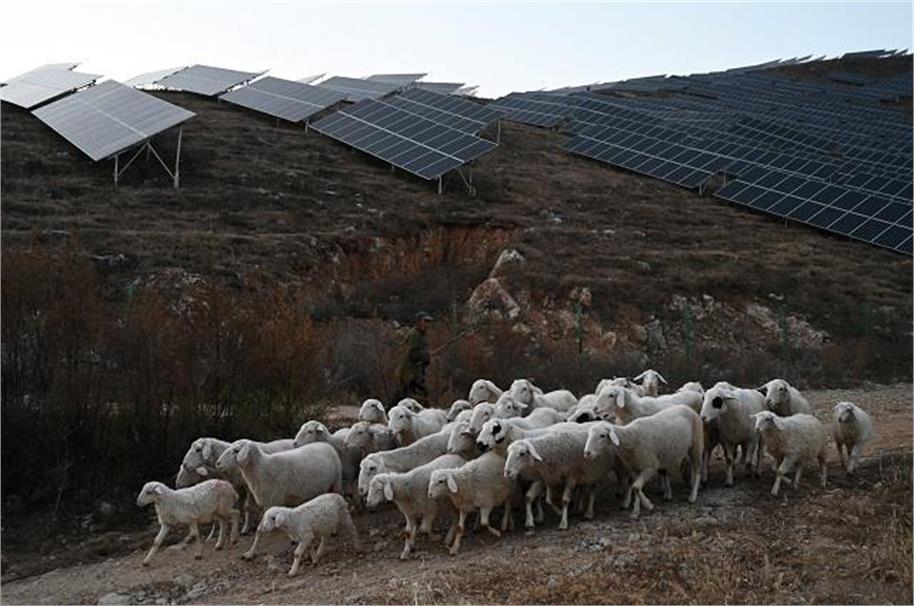
Beijing: China’s deepening unemployment crisis and the relentless pressures of its notorious “996” work culture are pushing even highly educated young people to seek work far from the country’s bustling cities. In a striking reflection of the worsening job market, more than 700 people applied for just two shepherd positions on a remote farm near the Mongolian border.
The recruitment drive, launched in late April by farm owner Zuo Xiaoyong, quickly captured national attention after being posted on the popular social media platform Weibo. The advertisement reportedly attracted nearly 59 million views within hours, sparking widespread discussion about the state of China’s economy and employment prospects.
What stunned many observers was the profile of the applicants. The pool included corporate professionals from major cities such as Shanghai and Chongqing, factory workers, university top performers and recent graduates. According to the farm owner, around 10 per cent of the applications came from newly qualified graduates struggling to find stable employment.
Many applicants cited exhaustion from office politics, punishing work schedules, mounting debt and deteriorating mental well-being. Others said they were drawn by the prospect of a quieter and less stressful lifestyle. The position offered a monthly salary of about 8,000 yuan (roughly ₹1.1 lakh), along with free accommodation and meals—an income considered competitive by Chinese private-sector standards.
Yet the job is anything but easy. Shepherds are required to manage around 3,000 sheep spread across nearly 2,000 hectares of grassland during the summer months. In winter, temperatures can plunge to minus 30 degrees Celsius, demanding physically gruelling work and constant animal care in harsh conditions.
The episode has reignited criticism of China’s controversial “996” work culture, under which employees work from 9 a.m. to 9 p.m., six days a week. For years, young Chinese workers have complained that the system fuels burnout, stress and declining quality of life.
Among those seeking an alternative was 21-year-old James Guo, who said he spent up to 13 hours a day working in a container factory, leaving his hands blistered from the workload. Another applicant, 28-year-old e-commerce employee Wu, said she longed to escape the relentless pace and pressure of urban life.
Adding to anxieties is China’s so-called “curse of 35”, a widely discussed phenomenon in which many employers are reluctant to hire workers above the age of 35. The practice has heightened concerns about long-term job security among the country’s workforce.
Analysts warn that employment pressures may intensify further as artificial intelligence reshapes industries, manufacturing costs rise and an estimated 12.7 million new graduates enter the labour market this year.
In the end, despite overwhelming interest from city-based applicants, the farm owner selected two married couples with prior agricultural experience. He emphasised that shepherding is not a romantic countryside escape, but a demanding and often lonely profession requiring resilience, experience and long-term commitment.