
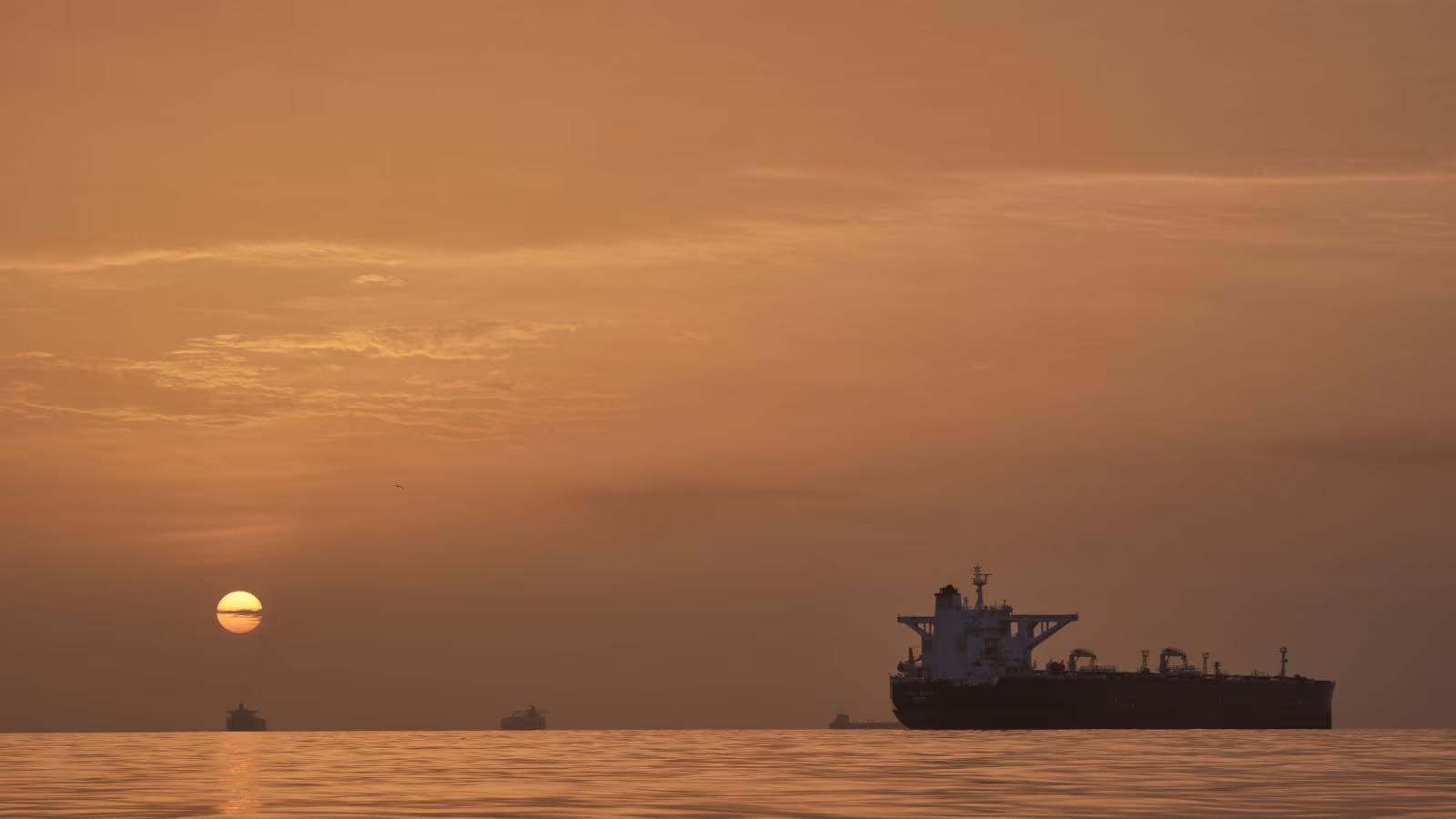
The Malacca Strait, bound by Indonesia, Thailand, Malaysia and Singapore, connects the Indian Ocean with the Pacific and provides the shortest route between East Asia, West Asia and Europe.
When the United States and Israel launched strikes on Iran on February 28, Tehran moved fast on one front: it choked traffic through the Strait of Hormuz. This, essentially, held the global economy hostage because of its impact on oil flows and pushed governments to reassess how exposed trade remains to narrow maritime routes.
This has brought other chokepoints into view. Alongside the Bab el-Mandab, attention has now turned to Strait of Malacca, the world’s busiest waterway for international trade.
What makes the Malacca Strait central to global trade
The 900-km Malacca Strait, bound by Indonesia, Thailand, Malaysia and Singapore, connects the Indian Ocean with the Pacific and provides the shortest route between East Asia, West Asia and Europe. Around one-fifth of global maritime trade moves through this corridor, based on estimates from the Centre for Strategic and International Studies.
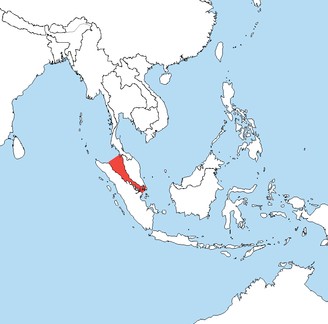
The 900-km Malacca Strait connects the Indian Ocean with the Pacific. (Source: Wikimedia Commons)
The strait carries the highest volume of oil among global chokepoints, according to the US Energy Information Administration. In 2025, flows through the Strait of Malacca exceeded those through Hormuz, with millions of barrels of crude moving each day to China, Japan and South Korea.
To be precise, in the first half of 2025, some 23.2 million barrels of oil a day were transported through the Malacca Strait, accounting for 29% of total maritime oil flows. The next largest chokepoint, Hormuz, saw about 20.9 million bpd pass through.
Ships that avoid the strait must reroute around Indonesia, which increases distance, cost and delivery time.
Why do risks around Malacca matter now?
The strait narrows to about 2.7km at its tightest point (Phillips Channel of the Singapore Strait) , creating a bottleneck that raises the risk of collisions, oil spills and groundings. Shallow stretches limit how the largest vessels move through the channel.
Security threats persist. Data from the ReCAAP Information Sharing Centre, an organisation established by regional governments to combat piracy, shows repeated incidents involving piracy and armed robbery.
Strategic dependence also adds to the risk. Around 75 per cent of China’s seaborne crude imports pass through Malacca, based on data from tanker tracker Vortexa. Any disruption would affect energy supplies across Asia.
Tensions in nearby waters, including the South China Sea and the Taiwan Strait, increase the chance of spill over effects on the Malacca Strait.
The Bab el-Mandab chokepoint
The Bab el-Mandab sits at the southern end of the Red Sea, between Yemen and the Horn of Africa. It links the Red Sea to the Gulf of Aden and the Indian Ocean and carries about 10–12% of global oil and gas shipments.
Its importance comes from its connection to the Suez Canal and the SUMED pipeline, which together link the Red Sea to the Mediterranean. Energy shipments from the Persian Gulf use this route to reach Europe and beyond.
The passage also holds significance for India. While Hormuz remains central to energy imports, the Red Sea corridor supports exports. A large share of India’s trade with Europe moves through this route, with the European Union accounting for over 15% of India’s total goods exports.
How are governments responding?
Countries along the Malacca Strait have signalled a coordinated approach to keep the route open. Singapore, Malaysia, Indonesia and Thailand conduct joint patrols and reject unilateral controls.
Singapore Foreign Minister Vivian Balakrishnan had said that states along the strait will not impose tolls and will guarantee passage.
Malaysian Foreign Minister Mohamad Hasan told a forum on Wednesday that no unilateral decisions can be made about the strait and that Malaysia is on the same page with Singapore, Indonesia and Thailand, and they conduct joint patrols to ensure the waterway remains open.